
Cylindrical CNC-Machined Components with Hex Features
Custom CNC Machining for OEM Components
Cylindrical CNC-Machined Components with Hex Features
Drawing-based manufacturing for stepped cylindrical parts with axial hex features, end holes, and radial threaded holes.
Shenzhen Perfect Precision Products Co., Ltd. can review your geometry, material, thread requirements, tolerances, surface finish, and production quantity before quotation. CNC turning, CNC milling, drilling, tapping, and mill-turn machining can be evaluated according to the part design and manufacturing stage.
A Machined Component Designed Around the Drawing
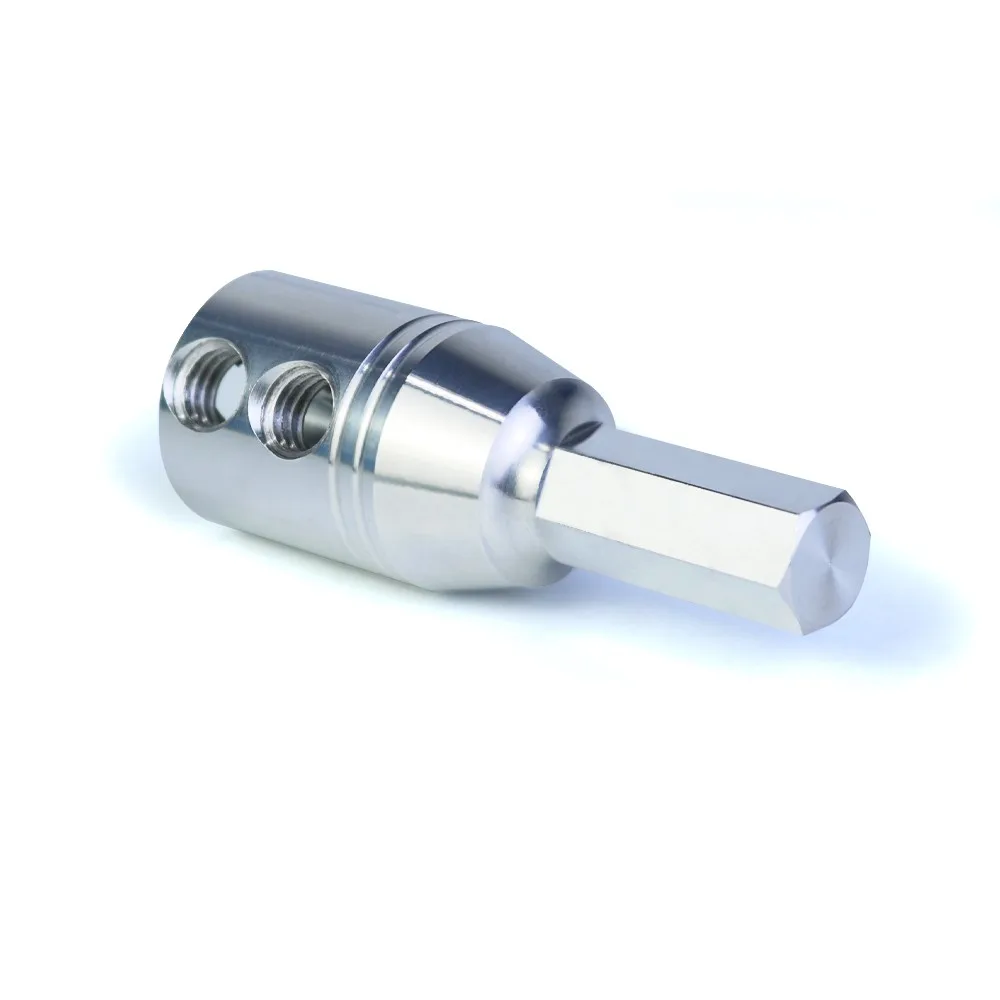
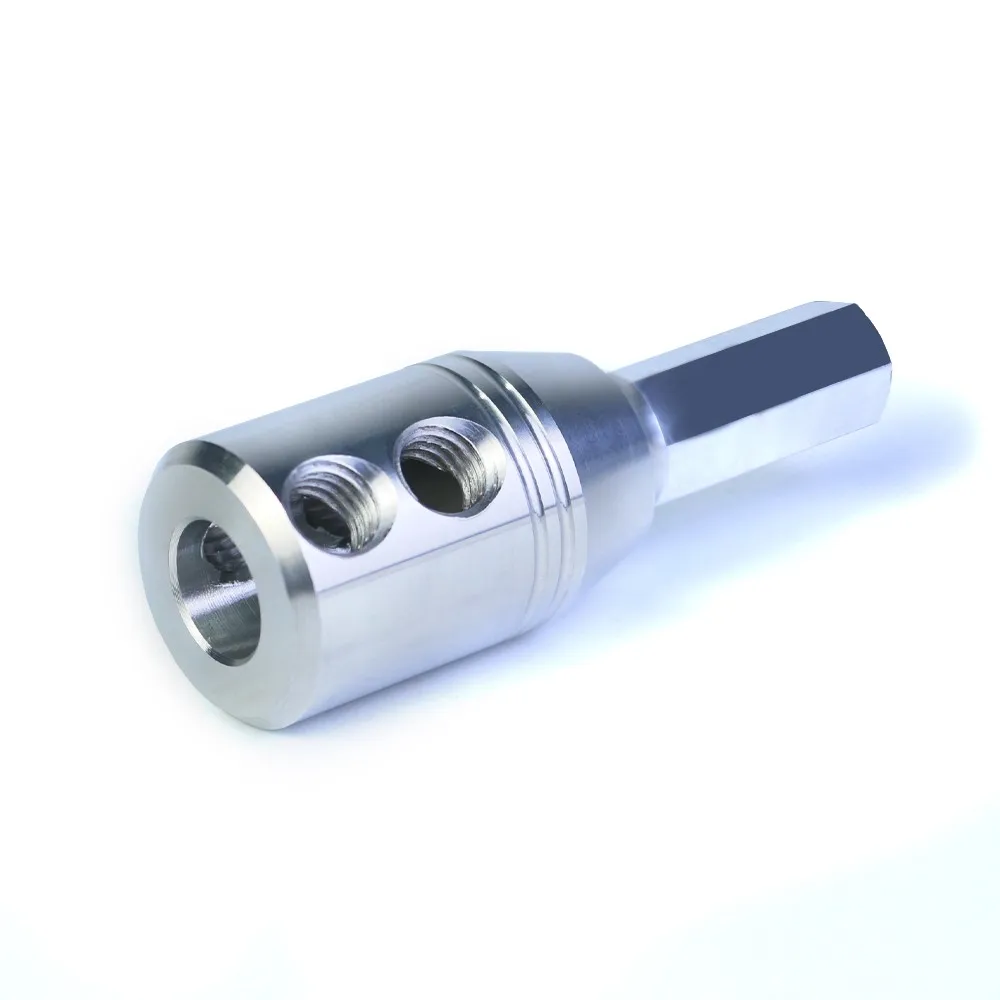
The pictured component has a compact cylindrical body with stepped and tapered transitions, a longitudinal hexagonal feature, an end opening, and multiple radial internal threaded holes. The visible geometry combines rotational and prismatic features, so the manufacturing route should be selected from the drawing rather than assumed from appearance alone.
The axial hex feature may support drive, locating, or anti-rotation requirements, while the radial threaded holes may connect to fasteners or mating components. These are engineering possibilities, not confirmed applications. Thread standard, pitch, depth, hole position, concentricity, runout, and the relationship between the hex feature and cylindrical surfaces must be defined by the buyer’s specification.
The silver-colored appearance does not confirm whether the component is stainless steel, aluminum, titanium, alloy steel, brass, copper, or another material. It also does not prove a coating, heat treatment, dimensional tolerance, or surface roughness. Shenzhen Perfect’s engineering team can help review the required material and process after receiving the latest drawing, CAD file, sample information, or dimensioned sketch.
Key Manufacturing Benefits
Round and Hex Features in One Review
Turning and milling requirements can be coordinated around the same drawing, helping the engineering team review feature orientation, tool access, and setup strategy before production.
Thread-Focused Engineering Review
Radial threaded holes are reviewed for standard, pitch, depth, position, orientation, and access so the quotation reflects the actual assembly requirement.
Prototype to Repeat Production
The project can be structured for prototype, pilot, small-batch, or repeat production, with revision control and an agreed inspection plan at each stage.
Material and Finish Flexibility
Material and surface-treatment options can be evaluated according to strength, corrosion, wear, appearance, temperature, and compliance requirements.
Inspection Resources
The company information lists 6 QA/QC inspectors and 5 testing instruments, including CMM and 2D measuring equipment, for project-specific inspection planning.
Drawing-Based Quotation
A clear review of quantity, critical features, finish, documentation, and destination requirements helps avoid assumptions in the final quotation.
Technical Specification Framework
The following information should be confirmed for this component before it is released for production. The photographs establish visible geometry only; they do not establish the values below.
Manufacturing Process and Quality Control
- Engineering review: Check the latest drawing, CAD revision, datums, material, critical dimensions, threads, finish, quantity, and inspection documents.
- Process planning: Evaluate CNC turning, milling, drilling, tapping, or mill-turn machining based on feature relationships, quantity, tool access, and tolerance requirements.
- Material verification: Confirm the specified grade, condition, and material documentation before machining begins.
- Machining and in-process control: Monitor cylindrical diameters, shoulders, hole positions, threads, end-hole dimensions, and hex orientation according to the agreed plan.
- Deburring and finishing: Review thread entrances, drilled holes, shoulders, grooves, and edges for burrs and required edge breaks.
- Final inspection and packing: Complete the agreed checks and protect the machined surfaces, threads, and hex feature during transport.
Materials, Finishes, and Production Options
The supplied company information lists aluminum alloys such as 6061 and 7075, stainless steels such as 303, 304, and 316, titanium alloys, alloy steel, brass, bronze, copper, and engineering plastics. The correct material for this part depends on strength, corrosion, wear, temperature, weight, cleanliness, electrical, and compatibility requirements. Material must not be inferred from the silver appearance.
Available finishing routes include anodizing, black oxide, powder coating, polishing, and plating through the factory and qualified finishing partners. Specify the finish, color, thickness, masking areas, appearance standard, and any RoHS or REACH documentation requirement on the drawing or purchase specification.
The company supports prototypes, pilot runs, small batches, and repeat production subject to engineering review and capacity confirmation. Common drawing formats listed in the company information include PDF, DWG, DXF, STEP, IGS, STL, and X_T.
Why Work with Shenzhen Perfect Precision?
Shenzhen Perfect Precision Products Co., Ltd. is documented as a custom OEM/ODM manufacturer founded in 2012, with more than 20 years of cumulative experience across its engineering and production team. The company operates 79+ machines covering 3-, 4-, and 5-axis CNC machining, injection molding, sheet metal, casting, forging, and rapid prototyping.
The supplied company documentation verifies ISO 9001:2015 and ISO 13485:2016 certifications and records onsite verification by TÜV Rheinland. It also lists 6 QA/QC inspectors and 5 testing instruments, including CMM and 2D measuring equipment. Certification scope and current validity should be confirmed when a buyer’s qualification process depends on a specific certificate.
The broader one-stop capability can support projects that combine machined metal parts with molded components, sheet-metal assemblies, or other custom-manufactured items. For this product, the practical focus remains drawing control, process selection, inspection planning, and clear communication of assumptions.
What to Include in Your RFQ
• Material grade and condition
• Prototype, pilot, and production quantities
• Critical dimensions and geometric controls
• Thread standard, size, pitch, depth, and gauge requirement
• Coating, plating, passivation, or heat treatment
• Inspection report or material certificate requirements
• Packaging and marking requirements
• Target delivery date and destination
If no drawing is available, send photographs, a sample description, a dimensioned sketch, and the intended function. A photo-based quotation should be treated as provisional until the geometry and specifications are confirmed. A clear drawing package allows the engineering team to recommend the appropriate CNC turning, CNC milling, or mill-turn process and identify assumptions before the quotation is finalized.
Frequently Asked Questions
What is this component used for?
The photos confirm the geometry but not the final application. The part may suit an assembly requiring a cylindrical interface, an axial hex feature, an end hole, and radial threaded fastening points. Function, load, environment, and mating parts must be confirmed from the buyer’s design.
Can you quote from photos only?
A preliminary assessment may be possible from photos, samples, or sketches. A final production quotation requires enough information to confirm material, geometry, tolerance, process, quantity, finish, and inspection requirements.
What tolerance can you achieve?
The general factory capability states ±0.01 mm for standard machining and ±0.005 mm for special areas. These are capability references, not a guarantee for every feature of this pictured part. Final capability depends on the material, geometry, process, inspection method, and drawing.
Can you provide inspection reports?
Inspection documentation can be agreed at quotation stage. Specify whether you need a first-article report, full-dimensional report, certificate of conformity, material certificate, or third-party inspection.
What is the minimum order quantity?
MOQ is project-dependent. Low-volume CNC machining and prototype quantities can be considered in suitable cases. Material procurement, finishing, inspection, packaging, and production planning affect the quotation.
Can you protect my drawing?
The company information states that customer designs are treated as confidential business information, NDAs can be executed on request, and internal access can be restricted. Request the applicable confidentiality terms before sending sensitive files.
Send Your Drawing for Engineering Review
Share your part drawing, CAD file, material, quantity, thread requirements, finish, inspection needs, and target delivery date. Shenzhen Perfect Precision can review the design and recommend a practical CNC manufacturing route for your project.


