
Black Anodized Aluminum CNC Machined Mounting Frame For OEM Parts

Product Description
Custom CNC Machined Aluminum Mounting Components
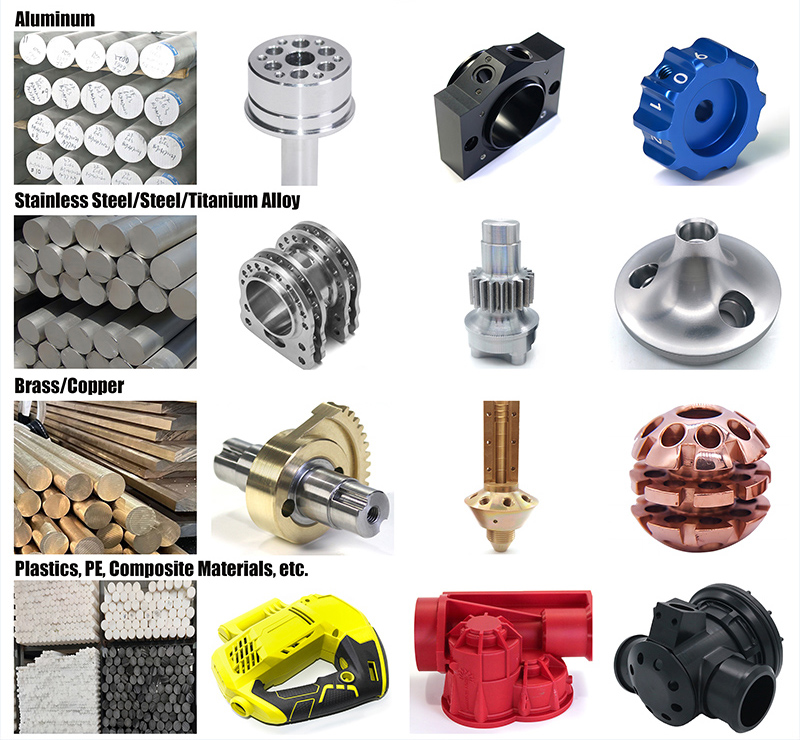
This precision aluminum component is manufactured through advanced CNC milling technology using high-quality AL6061 aluminum alloy.
Designed for customers requiring lightweight structure, excellent dimensional stability and premium surface appearance, this part combines accurate machining performance with professional surface treatment.
The manufacturing process includes CNC milling, fine surface preparation, sand blasting and black anodizing, creating a durable finish suitable for demanding industrial applications.
Our engineering team supports customized production from prototype development to volume manufacturing, helping customers reduce development time and improve product reliability.
Technical Specifications
|
Item |
Description |
|
Product Type |
Custom CNC Aluminum Mechanical Component |
|
Material |
AL6061 Aluminum Alloy |
|
Machining Process |
CNC Milling |
|
Surface Treatment |
Sand Blasting + Black Anodizing |
|
Color |
Black |
|
Accuracy |
Up to ±0.005mm |
|
Surface Roughness |
Ra 0.1~3.2 |
|
Production |
Prototype / Small Batch / Mass Production |
|
Drawing Format |
STEP / IGES / DWG / PDF |
4. About Us
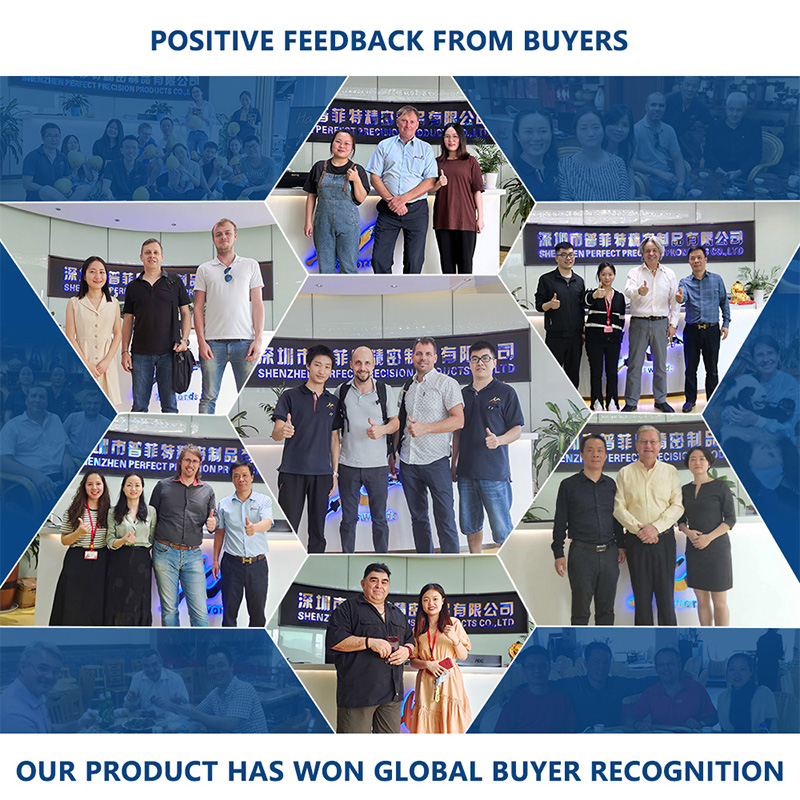
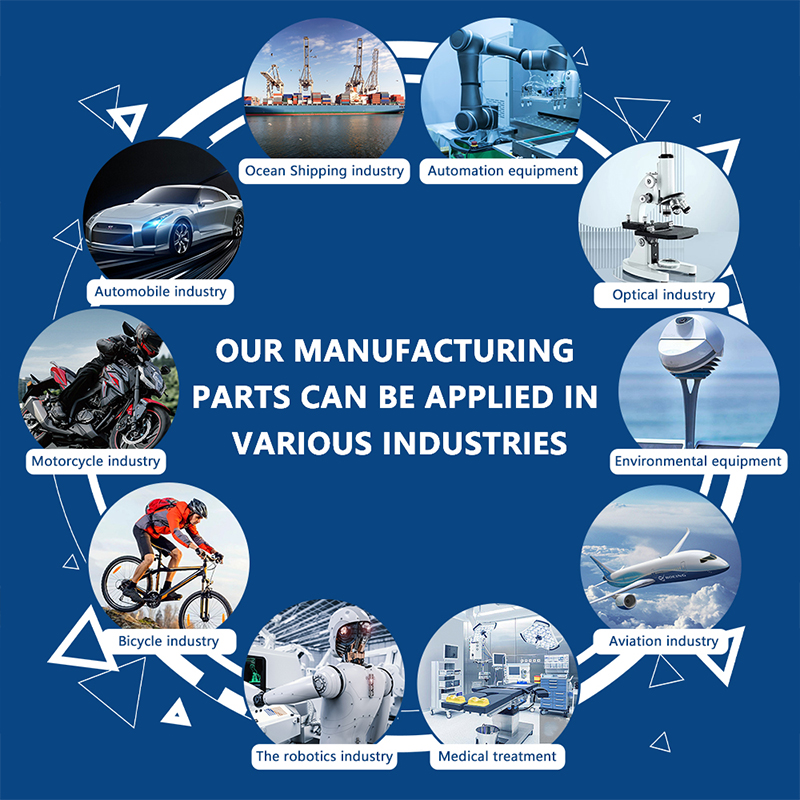
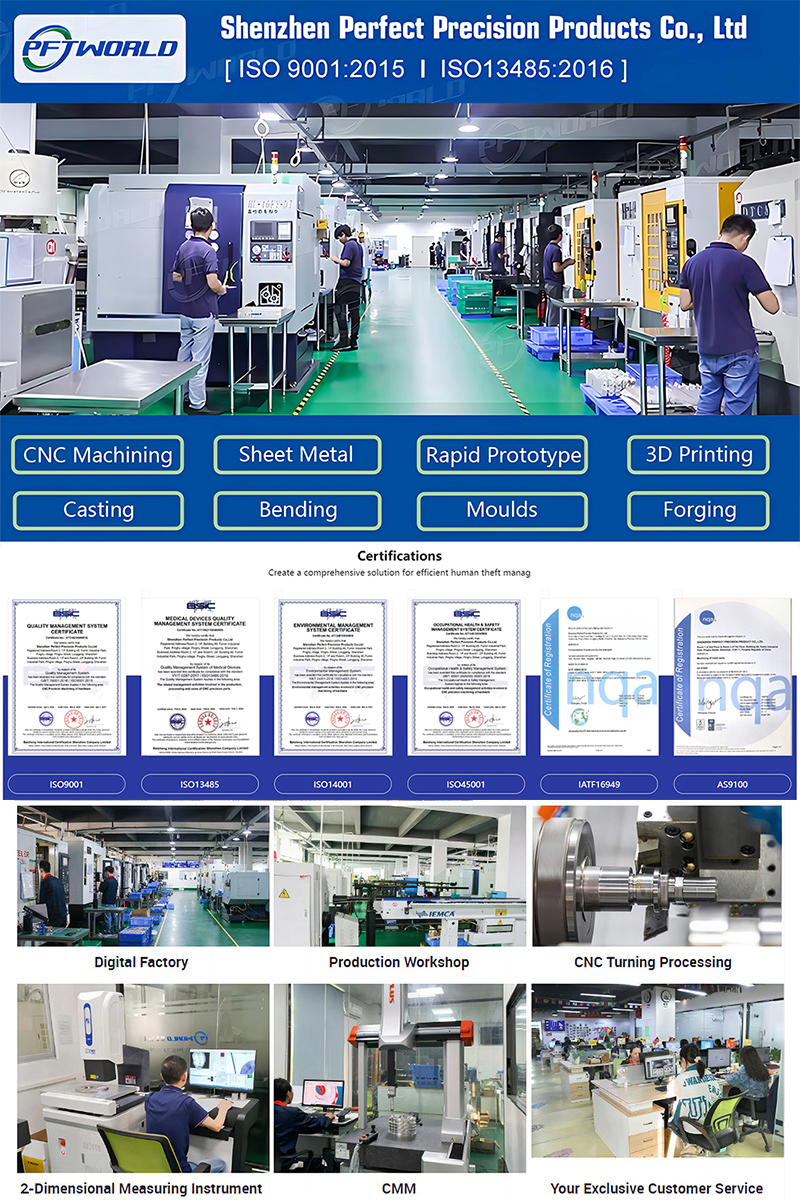
Shenzhen Perfect Precision Products Co., Ltd. is a professional high-precision CNC machining manufacturer located in Shenzhen, China - a global hub for advanced manufacturing and industrial innovation. Supported by our Hong Kong trading company, we provide efficient worldwide export services and fast global delivery. Over the years, we have established long-term and stable partnerships with customers across the United States, Germany, France, Canada, Australia, New Zealand, Italy, Switzerland, Poland and many other countries, serving industries including automation, robotics, medical devices, aerospace, automotive, electronics, and consumer products. We provide one-stop custom manufacturing solutions: Precision CNC Turning & Milling (3/4/5 Axis) Casting & Forging Sheet Metal Fabrication Stamping, Bending, Welding, Cutting Mold Manufacturing Rapid Prototyping Plastic Injection Molding Contact us today for fast quotation and professional engineering support. Lets build your next project together.
8.FAQ
1. Are you a manufacturer or a trading company?
We are a factory located in Shenzhen, China, with 20 years of rich experience, covering 6000 square meters. Complete facilities, including 3D quality inspection equipment, ERP system and 40 machines. If necessary, we can provide you with material certificates, sample quality inspection and other reports.
2. How to get a quote?
Detailed drawings (PDF/STEP/IGS/DWG...), including quality, delivery date, materials, quality, quantity, surface treatment and other information.
3. Can I get a quotation without drawings? Can your engineering team draw for my creativity?
Of course, we are also glad to receive your samples, pictures or detailed size drafts for accurate quotation.
4. Can you provide samples before mass production?
Of course, the sample fee is necessary. If possible, it will be returned during mass production.
5. What is the delivery date?
Generally, the sample lasts for 1-2 weeks and the batch production lasts for 3-4 weeks.
6. How do you control quality?
(1) Material Inspection - Check material surfaces and approximate dimensions.
(2) First inspection of production - ensure critical dimensions in mass production.
(3) Sampling inspection - check the quality before delivery to the warehouse.
(4) Preshipment inspection - 100% inspection by QC assistant before shipment.
7. After sales service team
If you have any problems after receiving the product, you can provide feedback through voice call, video conference, email, etc. within one month. Our team will provide you with solutions within a week.


