
Precision Machined Parts Suppliers

When you’re sourcing precision machined parts, the supplier you choose plays a major role in the quality, reliability, and cost of your final product. Whether you’re building prototypes, scaling up production, or replacing components in an existing system, the right supplier can save you time, money, and a lot of headaches. Here’s a practical guide to help you identify dependable precision machined parts suppliers—and what sets the best ones apart.
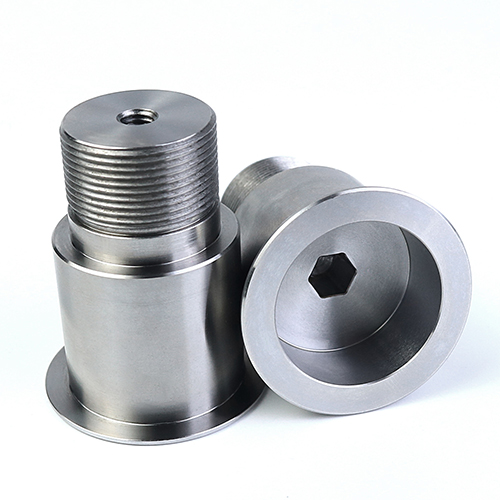
1. Proven Experience With Complex Parts
Not all machine shops are equipped for intricate geometries or tight tolerances. Look for suppliers who regularly produce parts similar to yours—whether you need aerospace components, medical-grade parts, or precision assemblies with multiple machining steps.
2. Modern Equipment and Capabilities
A well-equipped supplier should have a mix of CNC mills, lathes, and possibly multi-axis machines. Shops with 4-axis or 5-axis capabilities can handle more complex shapes with fewer setups, which often means better accuracy and faster turnaround.
3. Strong Quality Control Processes
A trustworthy supplier measures every critical feature before shipping parts. Look for quality practices such as:
● In-process checks
● First article inspections
● CMM measurements
● Material certifications
Shops that take quality seriously usually share inspection reports without hesitation.
4. Reliable Communication
Clear communication matters just as much as technical skill. A good supplier answers questions quickly, offers suggestions when needed, and keeps you updated on lead times.
5. Flexible Production Capabilities
Depending on your needs, you may require quick prototypes, small-batch runs, or high-volume production. The best suppliers can scale with your business and adjust schedules when deadlines change.
1.Check Past Work
Ask for sample parts or a portfolio of previous projects. The finish quality, accuracy, and complexity of their past work say a lot about what they can deliver.
2.Ask About Materials and Tolerances
Confirm that the supplier is comfortable machining your required materials—aluminum, stainless steel, brass, titanium, plastics, or specialty alloys. Also verify their tolerance capabilities for your critical features.
3.Review Lead Times
Some suppliers specialize in fast-turn prototypes; others focus on large production orders. Make sure their workflow matches your timeline.
4.Visit the Shop if Possible
A quick visit reveals how organized, clean, and professional their operation is. Shops that take pride in their environment usually take pride in their work, too.
Precision-machined components show up in just about every major industry, including:
● Aerospace
● Automotive
● Medical devices
● Defense
● Electronics
● Energy
● Automation and robotics
Each of these fields demands accuracy and consistency, which is why choosing a supplier with industry-specific experience is so valuable.
Finding the right precision-machined parts supplier depends not only on cost, but more importantly on reliability, communication, and consistent product quality. It's essential to take the time to evaluate their experience, equipment, quality control processes, and case studies. By partnering with us, you can obtain parts that meet your specifications, support your production goals, and ensure smooth business operations.
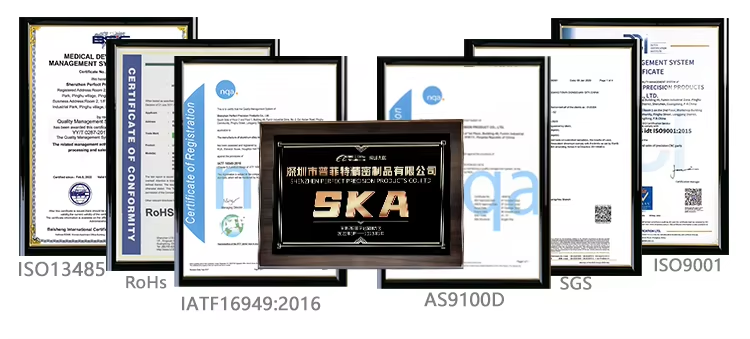
We are proud to hold several production certificates for our CNC machining services,which demonstrates our commitment to quality and customer satisfaction.
1、ISO13485:MEDICAL DEVICES QUALITYMANAGEMENT SYSTEM CERTIFICATE
2、ISO9001:QUALITY MANAGEMENT SYSTEMCERTIFICATE
3、IATF16949、AS9100、SGS、CE、CQC、RoHS
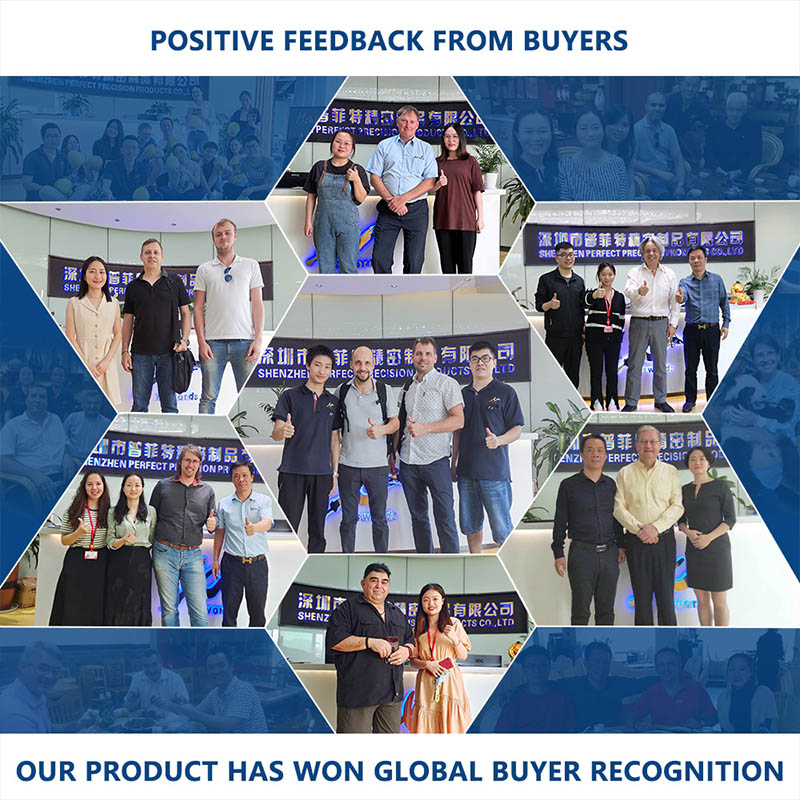
● Great CNCmachining impressive laser engraving best Ive everseensofar Good quaity overall,and allthe pieces were packed carefully.
● Excelente me slento contento me sorprendio la calidad deias plezas un gran trabajo This company does a really nice job on quality.
● If there is an issue they are quick to fix itVery good communication and fast responise times
This company always does what I ask.
● They even find any errors that we may have made.
● We have been dealing with this company for a number of years and have always recelved exemplary service.
● I am very pleased with the outstanding quality or mynew parts.The pnce is very competiive and the custo mer service is among the best Ive ever experienced.
● Fast tumaround rabulous quality,and some of the best customer service anywhere on Earth.
Q:How fast can I receive a CNC prototype?
A:Lead times vary depending on part complexity, material availability, and finishing requirements, but generally:
● Simple prototypes: 1–3 business days
● Complex or multi-part projects: 5–10 business days
Expedited service is often available.
Q:What design files do I need to provide?
A:To get started, you should submit:
● 3D CAD files (preferably in STEP, IGES, or STL format)
● 2D drawings (PDF or DWG) if specific tolerances, threads, or surface finishes are required
Q:Can you handle tight tolerances?
A:Yes. CNC machining is ideal for achieving tight tolerances, typically within:
● ±0.005" (±0.127 mm) standard
● Tighter tolerances available upon request (e.g., ±0.001" or better)
Q:Is CNC prototyping suitable for functional testing?
A:Yes. CNC prototypes are made from real engineering-grade materials, making them ideal for functional testing, fit checks, and mechanical evaluations.
Q:Do you offer low-volume production in addition to prototypes?
A:Yes. Many CNC services provide bridge production or low-volume manufacturing, ideal for quantities from 1 to several hundred units.
Q:Is my design confidential?
A:Yes. Reputable CNC prototype services always sign Non-Disclosure Agreements (NDAs) and treat your files and intellectual property with full confidentiality.


