
Achieving Precision in Plastic Part Manufacturing
When you step into a modern CNC machining workshop, the hum of the machines, the precise click of cutting tools, and the faint smell of plastic shavings signal the start of a precision manufacturing process. Producing high-quality plastic parts isn’t just about programming the CNC machine—it requires selecting the right materials, methods, and finishing techniques. In this article, I’ll share proven CNC machining methods that I’ve applied in real factory settings to achieve consistent quality and tight tolerances.
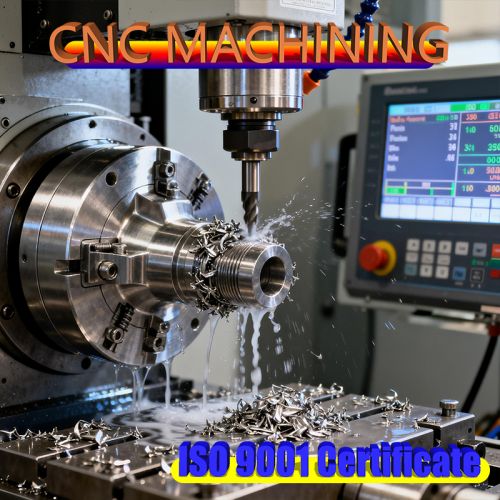
1. Selecting the Right CNC Machining Method
Different plastic materials and design requirements demand different CNC approaches. Here are the top methods for high-quality plastic part production:
a. CNC Milling
-
Applications: Ideal for complex 3D shapes, prototypes, and low-volume production.
-
Process Insight: Using a 3-axis or 5-axis CNC mill, I typically secure ABS or polycarbonate blocks with precision vices. Controlled feed rates prevent material melting and maintain dimensional accuracy within ±0.05 mm.
-
Tips: Use sharp, single-flute end mills for plastics to reduce heat build-up. Incorporate coolant or compressed air to remove chips efficiently.
b. CNC Turning (Lathe Machining)
-
Applications: Producing cylindrical parts such as bushings, spacers, and gears.
-
Process Insight: While turning, I adjust spindle speed according to the plastic type—slower speeds for soft polymers to prevent deformation. A carefully aligned tailstock ensures concentricity better than 0.02 mm.
-
Tips: Using a parting tool with a small cutting edge radius minimizes burr formation.
c. High-Speed CNC Routing
-
Applications: Sheet plastics like acrylic or polycarbonate.
-
Process Insight: I program shallow, high-speed passes to avoid overheating and warping. Multiple fixture points prevent vibration and maintain surface finish.
-
Tips: Vacuum tables are invaluable for holding large sheets without mechanical clamps, reducing post-processing.
2. Enhancing Surface Quality
Achieving a polished, defect-free surface is critical for functional or aesthetic parts. Techniques I’ve applied include:
-
Deburring and Polishing: After milling, hand-polish with micro-abrasive pads or automated tumblers.
-
Annealing: For high-stress applications, controlled heat treatment prevents internal stress cracks.
-
Surface Coatings: Optional clear coatings or matte finishes enhance chemical resistance and aesthetics.
3. Real-World Case Study: ABS Gear Production
At a factory producing ABS gears for automotive components, we implemented 5-axis CNC milling combined with in-process air cooling. Key results:
| Metric | Before Optimization | After Optimization |
|---|---|---|
| Dimensional Tolerance | ±0.12 mm | ±0.05 mm |
| Surface Roughness (Ra) | 2.1 µm | 0.8 µm |
| Production Yield | 82% | 96% |
This approach reduced scrap rates, improved consistency, and met client specifications for high-speed gear assemblies.
4. Optimizing CNC Workflow for Plastic Parts
-
Material Selection: Choose plastics with predictable machining properties (ABS, POM, polycarbonate).
-
Tooling Choice: Use carbide or coated tools to reduce wear.
-
Cutting Parameters: Adjust spindle speed, feed rate, and depth per pass based on polymer type.
-
Fixture Design: Secure parts to minimize vibration and deflection.
-
Quality Checks: Use calipers, CMM, and optical inspection for dimensional verification.
5. Conclusion: CNC Methods Drive Quality
High-quality plastic parts require a combination of the right CNC method, tooling, material, and process optimization. In my experience, attention to machine parameters, chip removal, and post-processing ensures parts that meet tight tolerances and have excellent surface finish. By integrating these CNC machining strategies, manufacturers can reduce waste, improve production efficiency, and consistently satisfy customer requirements.
Post time: Dec-31-2025


