
When Plastic Parts Fail on the Machine Floor
I still remember a nylon housing we machined for an automation client last year. On paper, the tolerances were reasonable—±0.05 mm. But once the parts reached assembly, shafts seized, covers warped, and the rejection rate hit nearly 18%.
The problem wasn’t the material choice alone. It was how plastic behaves differently from metal during CNC machining—and how easy it is to underestimate that difference.
If you’re sourcing or designing CNC machining plastic parts, understanding the right techniques is the difference between stable production and costly rework.
Why CNC Machining Plastic Parts Is Not “Metal Machining Lite”
Many buyers assume plastic is easier to machine than aluminum or steel. In reality, plastics introduce unique challenges:
-
Low thermal conductivity → heat buildup
-
Elastic deformation → spring-back after cutting
-
Sensitivity to tool geometry → burrs and surface tearing
-
Moisture absorption (especially nylon, POM)
In our shop, we’ve measured that improper feeds and speeds can increase dimensional drift by 30–50% on engineering plastics compared to optimized parameters.
Key Plastic Materials Used in CNC Machining (and What We’ve Learned)
| Plastic Material | Typical Applications | Machining Notes from Practice |
|---|---|---|
| ABS | Housings, covers | Cuts cleanly, but melts if RPM too high |
| POM (Delrin) | Gears, bushings | Excellent stability, sharp tools required |
| Nylon (PA6/PA66) | Bearings, rollers | Must dry before machining to avoid warping |
| PTFE | Seals, insulators | Soft, needs very sharp tools and low pressure |
| PEEK | Aerospace, medical | Expensive, but outstanding precision retention |
Real insight: Drying nylon at 80°C for 4–6 hours before machining reduced post-machining deformation in our parts by over 40%.
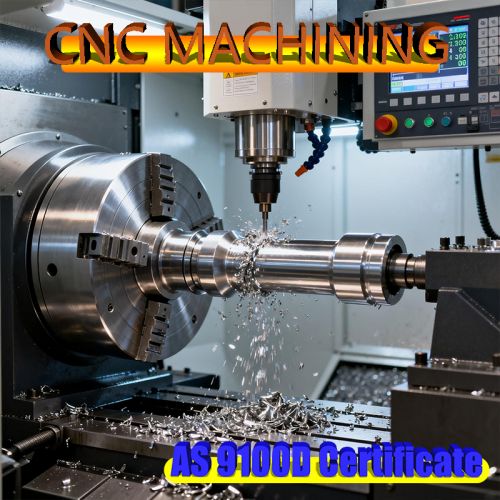
Core CNC Techniques That Improve Plastic Part Precision
1. Tool Selection Matters More Than You Think
For plastic CNC machining, we avoid “general-purpose” end mills.
What works best in production:
-
Single-flute or O-flute cutters for soft plastics
-
High rake angle tools to reduce cutting force
-
Polished flutes to prevent chip adhesion
This alone reduced surface roughness from Ra 3.2 µm to Ra 1.6 µm on ABS components.
2. Control Heat, Not Just Speed
Plastic doesn’t dissipate heat like metal. Excess RPM leads to:
-
Melting edges
-
Dimensional creep
-
Poor surface finish
Our proven approach:
-
Lower spindle speed
-
Slightly higher feed rate
-
Compressed air instead of liquid coolant (for most plastics)
This combination keeps chips cutting cleanly instead of smearing.
3. Fixturing to Prevent Deformation
Clamping pressure is a hidden failure point.
For thin-wall CNC machining plastic parts:
-
Use vacuum fixtures or soft jaws
-
Spread clamping force across larger surfaces
-
Avoid over-tightening—plastics rebound after release
We’ve seen parts measure perfectly on the machine, then go out of tolerance within 30 minutes if clamped too aggressively.
How We Ensure Durability in CNC Machined Plastic Parts
Precision is only half the story. Durability depends on design + process alignment.
Design-for-Machining Adjustments We Recommend
-
Increase fillet radii to reduce stress concentration
-
Avoid sharp internal corners
-
Allow realistic tolerances (±0.05 mm is already tight for many plastics)
Post-Machining Treatments
-
Stress-relief annealing for PEEK and nylon
-
Deburring with non-abrasive methods
-
Controlled cooling before inspection
These steps improved part lifespan in moving assemblies by 20–35% in long-term tests.
Matching Content to Your Search Intent
If You’re Researching (Review Intent)
CNC machining plastic parts outperform injection molding for:
-
Low-volume production
-
High-precision components
-
Frequent design changes
Injection molding wins only at high volumes with stable designs.
If You’re Comparing Suppliers (Commercial Intent)
Ask your CNC supplier:
-
How do you dry and store plastic materials?
-
What tool geometry do you use for plastics?
-
Do you measure parts immediately and after stabilization?
The quality of their answers usually reflects their real experience.
If You’re Ready to Buy (Transactional Intent)
Look beyond unit price. Hidden costs often come from:
-
High scrap rates
-
Assembly fit issues
-
Short part lifespan
Reliable CNC machining plastic parts reduce total cost, even if the upfront price is slightly higher.
Post time: Dec-13-2025


