
Inside a CNC Machining Aluminum Parts Factory: Process and Capacity
Understanding how CNC aluminum parts are manufactured helps buyers, engineers, and procurement teams assess supplier capabilities, quality control, and lead times. In 2026, factories combine advanced machining technology, precise quality systems, and scalable production processes to meet the growing demand for high-precision, lightweight aluminum components.
1. Raw Material Preparation
Aluminum parts typically start as:
-
Aluminum billets, bars, or extrusions (6061, 7075, 5052, 2024)
-
Pre-cut or standard-sized stock optimized for the CNC machines
Factory practices:
-
Inspect material for surface defects, alloy grade, and dimensional consistency
-
Use cut-to-length or pre-machined blanks to reduce waste and improve efficiency
Proper preparation ensures consistent machining quality and minimal scrap.
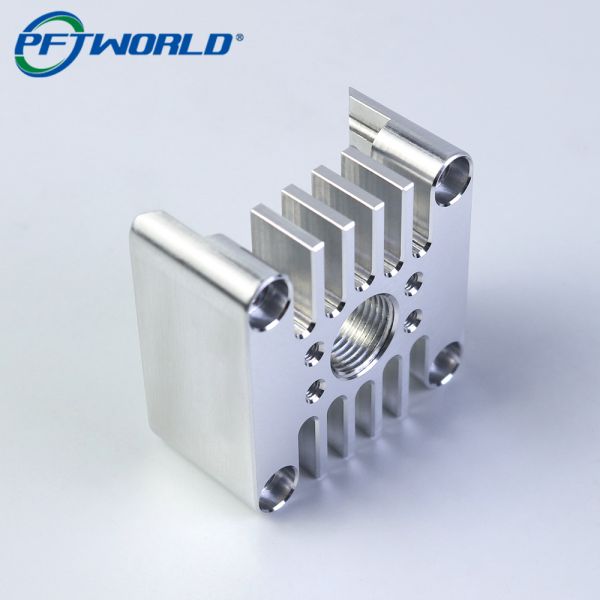
2. CNC Machining Processes
a. Milling
-
3-axis, 4-axis, and 5-axis CNC milling machines are used for complex shapes, pockets, and contours
-
Multi-axis setups allow single-fixture machining, reducing error and improving throughput
b. Turning
-
CNC lathes produce cylindrical components such as shafts, spacers, or bushings
-
Capable of high-precision diameters and surface finishes, often ±0.01 mm
c. Drilling, Tapping, and Threading
-
Automated operations produce holes, threaded inserts, and precise features
-
Integrated tools allow high repeatability for medium-to-large batches
Note: Advanced factories often combine multi-process CNC machines to reduce setups.
3. Tooling and Cutting Strategies
High-performance aluminum machining requires:
-
Carbide or high-rake tools to reduce chatter
-
Optimized feeds and speeds to prevent burrs or deformation
-
Coolant management to maintain part accuracy and prolong tool life
5-axis machining is widely used for complex aerospace, EV, and robotics parts, ensuring precision and efficiency.
4. Quality Control and Inspection
Quality is verified at multiple stages:
-
In-process checks using micrometers, calipers, and gauges
-
Coordinate Measuring Machines (CMM) for 3D dimensional verification
-
Surface finish inspection to meet Ra specifications (0.4–1.6 µm)
-
First Article Inspection (FAI) for prototypes or new designs
Advanced factories often integrate digital inspection systems and traceability reports for every batch.
5. Surface Finishing and Post-Processing
Depending on application, aluminum parts may undergo:
-
Anodizing or coloring for corrosion resistance
-
Deburring to remove sharp edges
-
Polishing or bead blasting for cosmetic or functional requirements
-
Assembly support: Some factories provide multi-part assembly before shipment
These steps ensure functional performance, durability, and aesthetic quality.
6. Production Capacity
Modern CNC aluminum factories in 2026 typically feature:
-
10–50+ CNC machines for multi-axis milling and turning
-
Flexible batch sizes, from prototype runs (1–10 pieces) to mass production (500+ units)
-
Automation support: Pallet changers, robotic material handling, and lights-out machining for continuous production
-
Lead times vary by complexity: simple 3-axis parts ~2–5 days, complex 5-axis parts 7–14 days per batch
Capacity planning is crucial to balance volume, complexity, and quality control.
7. Workflow Summary
-
Material inspection & preparation
-
CNC machining: milling, turning, drilling
-
In-process quality checks
-
Surface finishing & deburring
-
Final inspection & reporting
-
Packaging & shipping
This workflow ensures high-precision aluminum parts delivered reliably for aerospace, EV, robotics, and industrial applications.
8. Key Takeaways
-
Advanced CNC capabilities (3-, 5-axis) enable production of complex aluminum components
-
Quality control at multiple stages ensures tight tolerances and surface finish
-
Flexible production capacity supports both prototyping and large-volume orders
-
Post-processing and assembly improve part usability and performance
A well-equipped CNC aluminum factory provides a full-service solution — from raw material to finished, inspected parts — allowing buyers to rely on precision, efficiency, and consistent quality.
Post time: Mar-23-2026


