
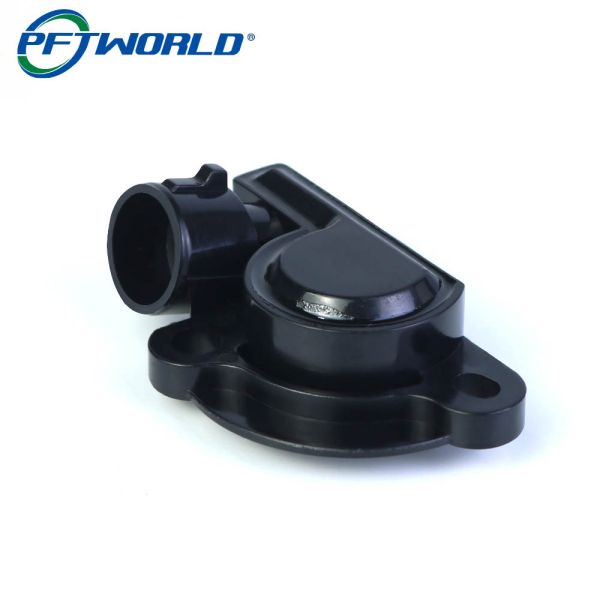
The throttle position sensor (TPS) is a critical component in modern vehicles and machinery, directly influencing engine performance, fuel efficiency, and emissions. Selecting the right TPS can be challenging due to the variety of types, specifications, and applications available. Here’s a guide to help you make an informed choice.
1. Understand the Role of a TPS
A throttle position sensor monitors the position of the throttle valve and sends this information to the engine control unit (ECU). The ECU uses these signals to adjust air-fuel mixture, ignition timing, and transmission shift points. A faulty or incompatible TPS can lead to poor acceleration, stalling, or higher fuel consumption.
2. Know the Types of TPS
There are primarily two types:
-
Potentiometer-based TPS: Measures throttle position using a variable resistor. It is cost-effective but prone to wear over time.
-
Non-contact or Hall Effect TPS: Uses a magnetic field to detect throttle movement. Offers higher accuracy, longer lifespan, and better reliability in harsh environments.
3. Key Specifications to Consider
When choosing a TPS, pay attention to:
-
Voltage Range: Ensure compatibility with your ECU (commonly 0.5–4.5V).
-
Throttle Travel Angle: Matches the mechanical movement of your throttle plate.
-
Output Signal Type: Analog or digital, depending on your engine system.
-
Durability: Look for sensors with robust materials resistant to heat, vibration, and corrosion.
4. Installation and Calibration
Proper installation is crucial. Misalignment can cause inaccurate readings. Many modern TPS units require electronic calibration through ECU programming or throttle relearn procedures. Always follow the manufacturer’s instructions.
5. Choose Quality and Compatibility
Select a TPS from reputable suppliers that provide detailed specifications and testing standards. Avoid generic or low-cost sensors that may fail prematurely or cause engine errors. Checking reviews and OEM compatibility lists can save time and cost.
In conclusion, choosing the right throttle position sensor is not just about cost—it’s about accuracy, durability, and compatibility. Investing in a high-quality TPS ensures smoother engine response, better fuel efficiency, and reliable performance for years to come.
Looking for high-precision throttle position sensors? Browse our selection of reliable TPS units designed for automotive and industrial applications. Ensure your engine runs efficiently—shop now!
Post time: Jan-15-2026


