
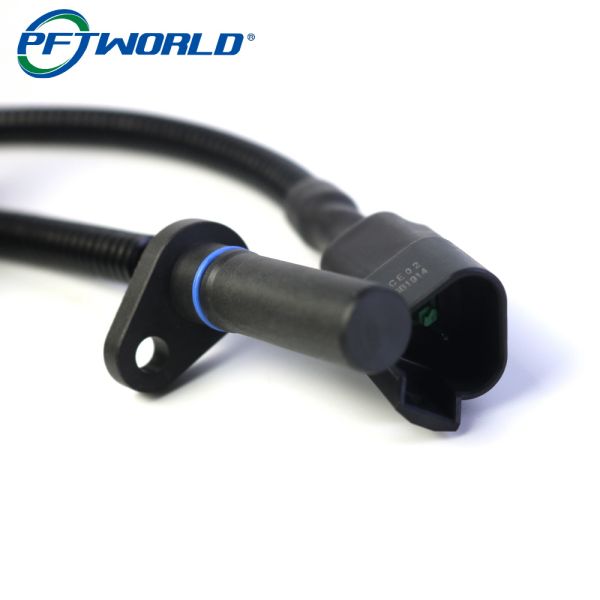
Choosing the right speed sensor is critical for achieving accurate measurements and reliable performance in industrial, automotive, and robotics applications. With a variety of sensor types, technologies, and specifications available, selecting the optimal sensor can be challenging. This guide will help you understand key considerations to make an informed decision.
1. Understand Your Application Requirements
Before selecting a sensor, clearly define the operating conditions and requirements. Consider the expected speed range, environmental factors (temperature, humidity, vibration), and required accuracy. For example, high-speed motors in robotics may need high-resolution sensors, while conveyor systems in industrial automation might prioritize durability.
2. Choose the Right Sensor Type
There are several types of speed sensors:
-
Magnetic (Hall effect) sensors: Ideal for detecting rotational speed in motors or wheels. They offer durability and can operate in harsh environments.
-
Optical sensors: Provide high precision and are commonly used in laboratory or high-accuracy automation applications, but they may be sensitive to dust and contaminants.
-
Inductive sensors: Excellent for non-contact speed measurement in metal-based systems, resistant to dirt and moisture.
-
Encoder-based sensors: Rotary encoders can provide both speed and position feedback, offering versatility in robotics and CNC machinery.
3. Evaluate Sensor Specifications
Key specifications include response time, output type (analog or digital), resolution, and power requirements. Higher resolution and faster response times are critical for applications requiring precise control, such as servo motors and robotics actuators.
4. Consider Mounting and Integration
Check if the sensor fits your mechanical setup. Some sensors require precise alignment, while others can tolerate misalignment. Also, ensure compatibility with your existing control systems or PLCs.
5. Reliability and Maintenance
Select sensors designed for longevity, with minimal maintenance. Industrial environments may require sensors with sealed housings or robust materials to withstand harsh conditions.
Conclusion
Selecting the right speed sensor requires balancing accuracy, durability, and cost based on your application. By understanding your requirements and comparing sensor types, you can ensure optimal performance and reliability in your system.
CTA:
Ready to upgrade your system with the perfect speed sensor? Explore our range of high-precision sensors designed for industrial automation, robotics, and automotive applications today.
Post time: Jan-12-2026


