
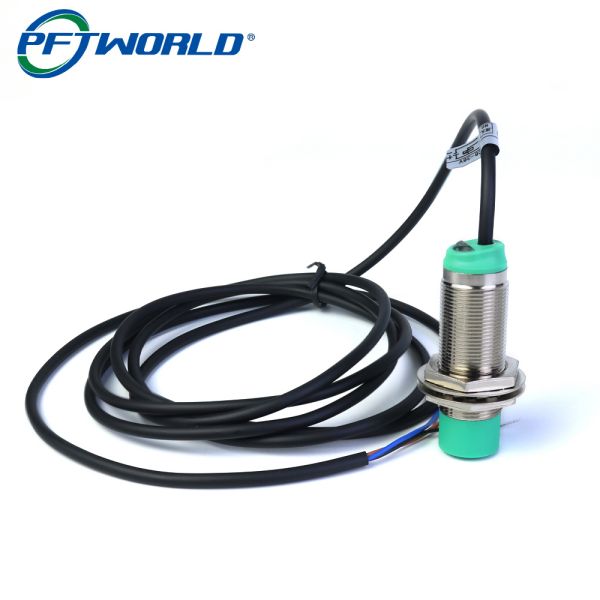
Industrial proximity switches are essential components in modern automation and manufacturing systems. They detect the presence or absence of objects without physical contact, improving safety, precision, and efficiency. Choosing the right proximity switch for your application can prevent downtime, reduce maintenance costs, and ensure accurate operations.
1. Understand the Types of Proximity Switches
There are several types of industrial proximity switches:
-
Inductive: Detect metallic objects using an electromagnetic field. Ideal for metal detection in manufacturing and robotics.
-
Capacitive: Can sense both metallic and non-metallic objects, including liquids, plastics, and powders. Suitable for packaging and material handling systems.
-
Photoelectric / Optical: Use light beams to detect objects. Great for long-range sensing and detecting transparent or reflective surfaces.
-
Magnetic / Reed Switches: Operate with magnetic fields, often used in doors, cylinders, and position sensing in automation.
2. Determine the Sensing Distance
Sensing distance is a critical factor. Too short, and the switch may miss objects; too long, and it may trigger false positives. Inductive switches typically have shorter ranges (a few millimeters to centimeters), while capacitive or photoelectric types can cover larger distances. Always match the sensing distance to your specific application.
3. Consider Environmental Factors
Industrial environments can be harsh. Dust, moisture, temperature fluctuations, and vibration can affect switch performance. Look for switches with IP-rated protection (e.g., IP67) for water and dust resistance, and choose materials that resist corrosion if operating in chemical or wet conditions.
4. Electrical and Mechanical Compatibility
Check the voltage, current rating, and output type (PNP, NPN, NO/NC) to ensure compatibility with your control system. Additionally, consider the mounting style—flush or non-flush—and whether you need threaded or smooth housing for easier installation.
5. Maintenance and Reliability
Proximity switches are generally low-maintenance due to their non-contact operation. However, ensure you select brands with proven durability, long service life, and reliable switching cycles to minimize downtime.
Choosing the right industrial proximity switch involves balancing detection type, sensing range, environmental resistance, and electrical compatibility. Proper selection enhances safety, reduces errors, and ensures smooth operation of automated systems.
Looking for high-quality industrial proximity switches? Explore our wide range of reliable, durable switches designed for precision automation and harsh environments. Contact us today to find the perfect fit for your application!
Post time: Jan-28-2026


