
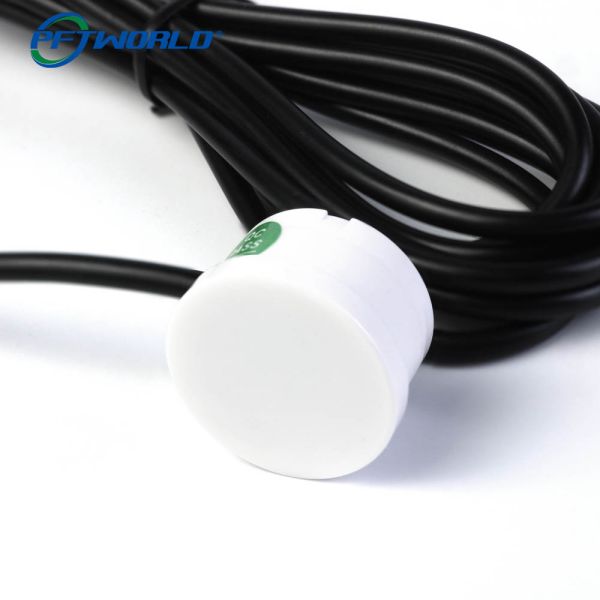
Capacitive level switches are widely used in industrial applications to detect the level of solids, powders, and liquids within a tank or container. Choosing the right capacitive level switch is crucial to ensure accurate, reliable, and long-lasting operation. This guide will help you understand the key factors to consider when selecting a capacitive level switch for your specific application.
Understanding Capacitive Level Switches
A capacitive level switch works by detecting changes in capacitance between a probe and the container wall caused by the presence or absence of material. When material comes into contact with the probe, the capacitance changes, triggering an output signal. These switches are ideal for detecting a wide range of materials, including powders, granules, and liquids with varying conductivity.
Key Factors to Consider
1. Material Type
The type of material being measured is a primary factor. Different materials have different dielectric constants, which affect the sensitivity of the switch. For example, dry powders like flour or cement require higher sensitivity, while liquids like water or oil are easier to detect.
2. Container Material and Geometry
Capacitive level switches are influenced by the container material. Non-metallic containers such as plastic or fiberglass may require a different calibration compared to metallic tanks. Additionally, tank shape and wall thickness can affect signal detection.
3. Process Conditions
Consider temperature, pressure, and the presence of dust or foam. High-temperature or corrosive environments require switches made of robust materials like stainless steel or specialized coatings. Some models are designed for extreme conditions, offering reliable performance even in challenging industrial settings.
4. Probe Length and Mounting
The length of the probe must match the level range you want to monitor. Mounting options—such as top, side, or bottom installation—also affect the detection accuracy. Ensure the installation method aligns with your tank design and maintenance accessibility.
5. Electrical Requirements
Check the voltage, current, and output type of the switch. Many capacitive level switches offer standard relay outputs, while others provide analog signals for integration into advanced control systems. Ensure compatibility with your control system for seamless operation.
6. Sensitivity Adjustment
Some capacitive level switches allow sensitivity adjustments to handle different materials or avoid false triggers caused by buildup or condensation. Adjustable sensitivity can be an advantage in applications with variable materials.
Benefits of Choosing the Right Switch
Selecting the appropriate capacitive level switch ensures reliable operation, reduces maintenance, and minimizes downtime. A well-chosen switch can detect low-level alarms, prevent overflow, and integrate seamlessly into automated control systems, improving overall process efficiency.
Installation Tips
-
Avoid placing the probe too close to agitators or other tank hardware that may cause false readings.
-
Regularly inspect and clean the probe if the material tends to stick or build up.
-
Consider environmental protection such as IP-rated enclosures for dusty or wet locations.
Conclusion
Choosing the right capacitive level switch involves understanding your material, tank, and process requirements. By carefully evaluating material properties, environmental conditions, and switch features, you can ensure accurate and dependable level detection for your industrial application.
Ready to select the perfect capacitive level switch for your process? Contact our experts today for technical guidance and customized solutions tailored to your needs.
Post time: Jan-21-2026


