
In late 2024, I stood next to a 5-axis CNC mill running reinforced PEEK. The spindle sound was sharper than usual, chip evacuation slower, and tool wear noticeably higher after just a few cycles. That moment made one thing clear to us: plastic CNC machining in 2025 is no longer about “soft materials”—it’s about mastering new polymers and smarter machining strategies.
If you’re sourcing CNC plastic parts or planning production upgrades, understanding these changes is no longer optional.
Why CNC Plastic Machining Is Changing in 2025
CNC plastic machining used to focus on basic materials like ABS or Nylon. Today, customer requirements are pushing plastics into metal-replacement roles—higher temperatures, tighter tolerances, and harsher environments.
From our production data over the last 18 months:
-
Demand for high-performance plastics increased by ~37%
-
Tolerance requirements below ±0.02 mm became common for plastic components
-
Tool life for traditional carbide tools dropped 15–25% without parameter optimization
These shifts are driving both new materials and new machining techniques.
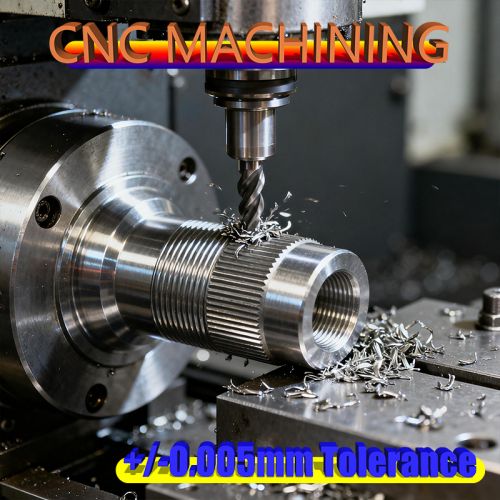
Emerging CNC Plastic Materials You’ll See More in 2025
1. Reinforced PEEK and PEEK Blends
PEEK reinforced with carbon fiber or glass fiber is increasingly used in aerospace fixtures and semiconductor equipment.
Real machining insight:
Compared with unfilled PEEK, reinforced grades:
-
Increase tool wear by 30–40%
-
Require lower feed rates but higher spindle stability
-
Produce abrasive dust that demands sealed enclosures
However, they offer:
-
Continuous operating temperatures above 250°C
-
Excellent chemical resistance
-
Strength-to-weight ratios close to aluminum
2. PPS, PEI (Ultem), and High-Temp Engineering Plastics
These materials are becoming standard for electrical insulation and medical housings.
What we learned on the shop floor:
-
PPS machines cleaner than expected but chips melt if coolant flow is insufficient
-
Ultem requires sharp tooling and reduced dwell time to avoid edge chipping
-
Dry machining works, but air blast consistency is critical
3. Sustainable and Recyclable Engineering Plastics
OEMs are now asking about bio-based or recyclable plastics, especially for consumer electronics.
While still limited in availability, newer grades:
-
Machine similarly to PET or POM
-
Show slightly higher thermal expansion
-
Require relaxed tolerances in design stage
New CNC Machining Techniques for Plastic Parts in 2025
Adaptive Toolpaths for Plastic Machining
Traditional metal toolpaths often fail with advanced plastics.
We now use:
-
Constant engagement strategies to reduce heat buildup
-
Variable step-downs to minimize burr formation
-
Lower radial engagement with higher axial cuts
Result:
Surface finish improved by ~18%, and part rejection dropped significantly.
Tooling Innovations: Not Just “Sharp Tools”
In 2025, plastic machining tools are becoming more specialized.
Effective solutions include:
-
Polished flutes to reduce chip adhesion
-
DLC-coated tools for abrasive-filled plastics
-
Reduced helix angles for brittle polymers
Skipping proper tooling often increases cycle time more than upgrading machines.
Hybrid CNC + Post-Processing Techniques
More customers are combining CNC machining with:
-
Annealing to reduce internal stress
-
Precision deburring using thermal or cryogenic methods
-
Laser marking for traceability
This hybrid approach improves dimensional stability for tight-tolerance plastic components.
How These Changes Affect CNC Plastic Part Buyers
If you’re purchasing CNC plastic parts in 2025, here’s what to evaluate:
| Factor | What to Ask Your Supplier |
|---|---|
| Material experience | Have they machined reinforced or high-temp plastics before? |
| Tooling strategy | Do they use plastic-specific tools or metal defaults? |
| Process control | How do they manage heat and chip evacuation? |
| Inspection | Are plastic tolerances measured after stress relief? |
Suppliers without hands-on experience in these materials often underestimate lead times and scrap rates.
Post time: Dec-29-2025


