
When the CNC machine starts cutting plastic, you can hear the difference immediately.
There’s no metallic scream—just a controlled, steady hum. But if you’ve ever walked back to the machine and found melted edges, warped walls, or out-of-tolerance holes, you already know: plastic CNC machining is not easier than metal—it’s different.
We’ve machined thousands of plastic parts for housings, fixtures, medical components, and functional prototypes. This guide is written from that hands-on experience, not theory, to help manufacturers buy CNC-machined plastic parts with fewer mistakes and better results.
What Manufacturers Really Mean When They Search “CNC Machining Plastic Parts”
From real inquiries we receive, buyer intent usually falls into three categories:
-
How to machine plastic without deformation (information intent)
-
Which plastic material is best for my application (research intent)
-
Where to buy reliable CNC plastic parts at scale (transaction intent)
This article addresses all three—with practical data, real machining constraints, and supplier-side insights.
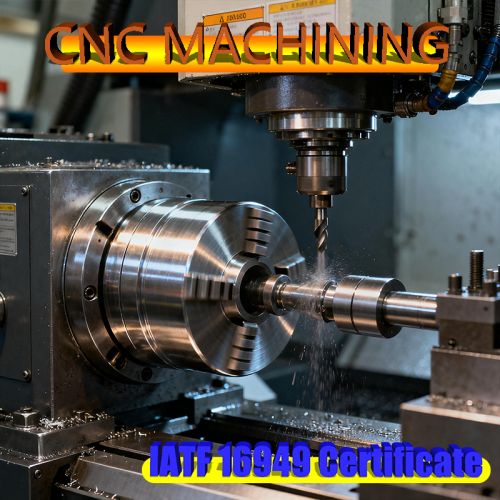
Common Problems in CNC Machining Plastic Parts (and How We Solve Them)
1. Melting, Burring, and Poor Surface Finish
Plastic reacts to heat very differently than aluminum or steel.
What we see in failed parts:
-
Melted edges on ABS and PC
-
Fuzzy burrs on nylon
-
Glossy “burn marks” on acrylic
What actually works in production:
-
Lower spindle speed, higher feed rate
-
Sharp, polished O-flute or single-edge cutters
-
Air blast instead of flood coolant for most plastics
In our internal tests, reducing spindle speed by 18–22% on ABS reduced edge melting by over 60% without increasing cycle time.
2. Warping and Dimensional Drift After Machining
Many buyers don’t realize plastic continues to relax after machining.
Real example:
A POM fixture plate measured perfectly on the machine, but warped by 0.3 mm after 24 hours.
Our countermeasures:
-
Stress-relief rest time before finishing cuts
-
Symmetrical machining paths
-
Oversize roughing + finish pass strategy
If your supplier skips these steps, tolerance claims mean very little.
Choosing the Right Plastic for CNC Machining (Buyer Comparison)
| Plastic Material | Machinability | Typical Use Cases | Notes from Production |
|---|---|---|---|
| ABS | Good | Enclosures, covers | Easy to cut, heat sensitive |
| POM (Delrin) | Excellent | Gears, fixtures | Stable, clean edges |
| Nylon (PA6/PA66) | Medium | Wear parts | Absorbs moisture |
| Acrylic (PMMA) | Medium | Optical, display | Chips easily, brittle |
| PEEK | Difficult | Medical, aerospace | Requires experience |
Buyer tip:
If your drawing only says “plastic,” expect problems. Material choice affects tolerance, cost, lead time, and scrap rate.
Tolerance Expectations for CNC Machined Plastic Parts
Many manufacturers ask for ±0.01 mm tolerances—because they’re used to metal.
Reality from shop floor data:
-
Standard plastic tolerance: ±0.05 mm
-
Tight tolerance achievable: ±0.02 mm (material-dependent)
-
Below ±0.02 mm: requires cost justification and process control
Always ask your supplier:
-
Is tolerance guaranteed after 24–48 hours, not just at inspection?
-
Is measurement done at controlled temperature?
Prototype vs. Production CNC Plastic Parts
For Prototypes
-
Focus on speed and design validation
-
Material substitutes may reduce cost
-
Tolerance strategy can be relaxed
For Production
-
Tool wear, consistency, and batch variation matter
-
Material lot traceability becomes critical
-
Fixturing design impacts repeatability
We’ve seen prototype-approved designs fail in production simply because plastic behavior was never validated beyond one part.
How to Evaluate a CNC Plastic Parts Supplier (Buyer Checklist)
Before placing an order, ask these questions:
-
Do you machine plastic daily, or only occasionally?
-
Can you recommend material changes based on application?
-
How do you prevent heat buildup during cutting?
-
Do you provide first-article inspection reports?
-
Can you share real examples of plastic parts, not just metal?
Suppliers who answer clearly usually understand plastic machining. Those who don’t—don’t.
Cost Drivers in CNC Machining Plastic Parts
Plastic parts are not always cheaper than metal.
Main cost factors:
-
Material price
-
Scrap risk due to deformation
-
Setup time and fixturing
-
Post-machining inspection and stabilization time
In many cases, design optimization saves more than material substitution.
Post time: Dec-15-2025


