
2026 Trends: CNC Machining Aluminum Parts for EV and Aerospace
In 2026, CNC machining aluminum parts is increasingly critical for both the electric vehicle (EV) and aerospace industries — two sectors that prioritize lightweight structures, precision tolerances, and advanced material performance. Several manufacturing trends are now shaping how aluminum parts are designed, produced, and integrated into high‑growth systems.
1. Continued Growth in EV & Aerospace Demand
Both EVs and aerospace platforms rely on lightweight, high‑strength aluminum structures to reduce weight, improve energy efficiency, and meet performance targets. Aluminum machining demand is rising because:
-
EV components such as battery trays, motor housings, and structural frames increasingly use aluminum alloys for weight reduction and structural rigidity.
-
Aerospace applications depend on alloys like 7075, 2024, and high‑purity grades that deliver excellent strength‑to‑weight ratios and fatigue resistance.
These sectors are pushing suppliers for higher precision, lower cycle times, and robust quality controls in CNC aluminum machining.
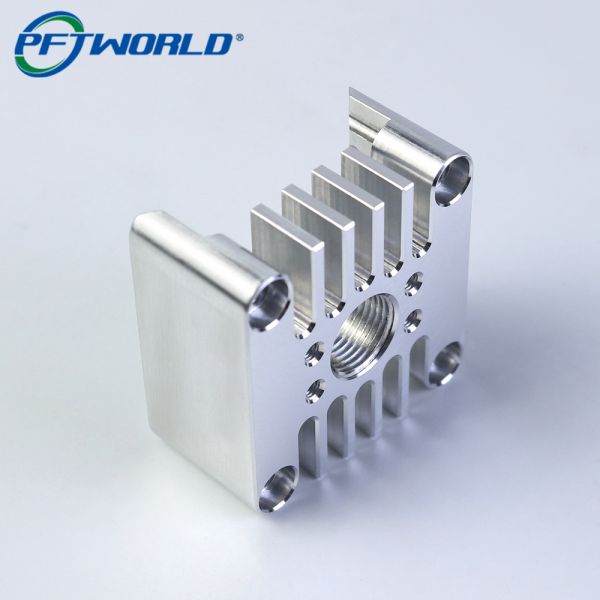
2. Lightweighting & High‑Performance Alloy Adoption
Aluminum remains the material of choice due to its lightweight nature and machinability, but 2026 sees deeper adoption of specialized aluminum alloys:
-
Advanced EV alloys are designed to offer high tensile strength with improved crash safety performance in battery structures.
-
High‑strength aerospace alloys like 7075, 2024, and next‑gen high‑purity materials are machined for critical airframe and structural components.
These advanced materials meet performance requirements while enabling significant weight savings critical for EV range and aircraft fuel efficiency.
3. Smart Manufacturing & Automation Integration
Factories producing aluminum parts are leveraging digital transformation and automation to improve efficiency and quality:
-
Adoption of AI‑driven CNC controllers and predictive algorithms improves repeatability and reduces scrap.
-
Lights‑out and robotic machining increase throughput without manual supervision.
-
Digital twins and smart factory ecosystems allow advanced planning and real‑time process optimization, enhancing precision and reducing turnaround times.
For buyers, this means more consistent quality, shorter lead times, and better cost control for high‑precision aluminum parts.
4. Multi‑Axis Machining for Complex Geometries
Both EV and aerospace components increasingly require complex 3D shapes and thin‑walled structures, which drive adoption of multi‑axis CNC machines (e.g., 5‑axis):
-
5‑axis machining reduces the need for multiple setups, improving accuracy and efficiency.
-
Complex lattice structures, internal cooling channels, and integrated mounting features can be machined in fewer operations with better tolerances.
This trend also supports advanced design techniques like topology optimization and integrated features that were difficult to produce on conventional 3‑axis equipment.
5. Domestic & Resilient Manufacturing Priorities
Geopolitical shifts and supply‑chain concerns are prompting OEMs to prioritize domestic and near‑shore machining capacity:
-
Aerospace and defense sectors are increasingly sourcing precision parts locally to ensure traceability, quality, and delivery reliability.
-
EV manufacturers value suppliers capable of rapid iteration, engineering collaboration, and responsive production.
As a result, CNC shops with strong local capabilities and certifications are positioned to gain strategic contracts and long‑term partnerships.
6. Sustainability & Advanced Material Strategies
Sustainability is becoming central to both EV and aerospace supply chains:
-
Recycled aluminum alloys are gaining traction — offering the same mechanical performance with a lower carbon footprint.
-
Hybrid manufacturing approaches (combining additive and subtractive machining) reduce material waste while maintaining high precision and performance.
This focus on sustainability aligns with broader industry goals in EV production and aerospace component lifecycle management.
Summary: Key 2026 CNC Aluminum Machining Trends
| Trend | Impact on EV & Aerospace Parts |
|---|---|
| Lightweight material adoption | Better range/performance and fuel efficiency |
| Advanced alloys | Higher strength and structural integrity |
| Smart automation | Faster production, lower scrap |
| Multi‑axis CNC | Ability to machine complex geometries |
| Local supply priority | Improved quality and on‑time delivery |
| Sustainability focus | Reduced environmental impact |
Post time: Mar-30-2026


