
CNC Turning Parts Manufacturing | Custom Precision Machining

CNC turning parts play a crucial role in modern manufacturing, providing high-precision, repeatable components for industries ranging from aerospace to medical devices. Unlike manual machining, CNC (Computer Numerical Control) turning enables manufacturers to produce complex geometries with tight tolerances consistently.
In this guide, we share actionable insights based on hands-on experience, covering material selection, tooling, machining parameters, and quality control—helping engineers and buyers make informed decisions.
CNC turning involves rotating a workpiece while a cutting tool moves linearly to remove material. This process is ideal for producing cylindrical components, shafts, bushings, and threaded parts.
Key Advantages:
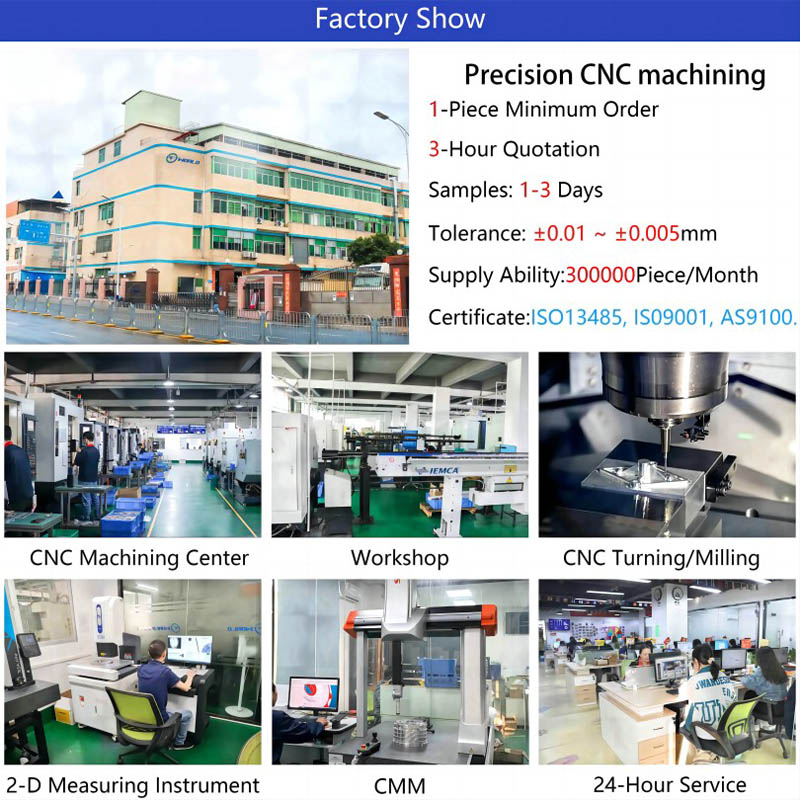
- High dimensional accuracy (±0.005 mm achievable)
- Repeatable production for large batches
- Efficient material usage with minimal waste
Pro Tip: For small-batch custom parts, always simulate the G-code in your CAM software to prevent tool collisions and ensure optimal cutting paths.
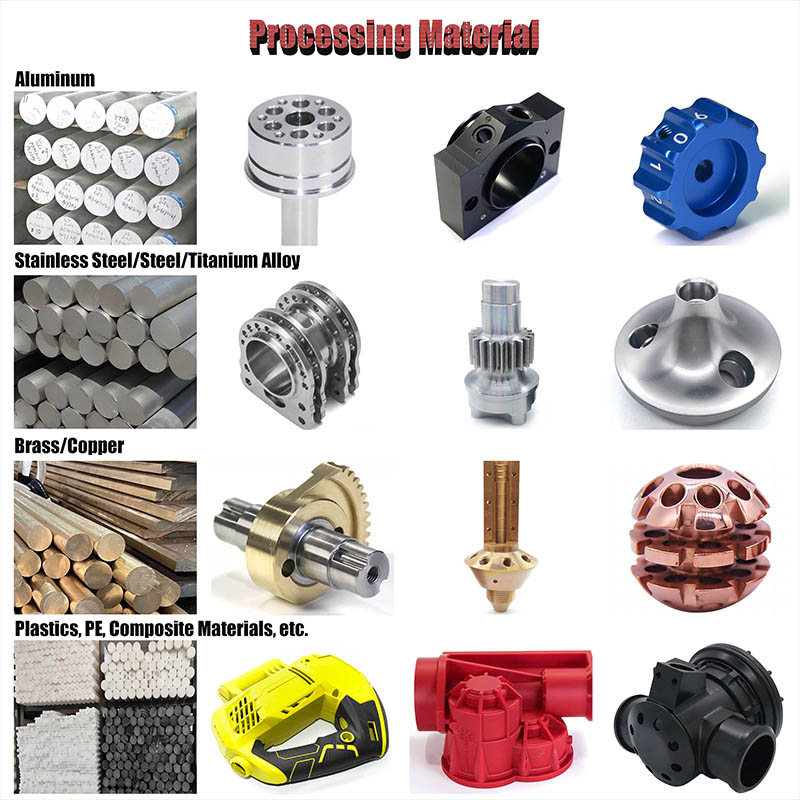
Choosing the right material directly impacts the performance and longevity of your components. Common materials include:
| Material | Typical Applications | Machinability Tips |
|---|---|---|
| Stainless Steel (304, 316) | Medical, Food, Automotive | Use sharp carbide tools; apply cutting fluid to prevent work-hardening |
| Aluminum (6061, 7075) | Aerospace, Electronics | High-speed cutting possible; watch for chip clogging |
| Brass & Copper | Electrical components | Moderate feed rates; lubricate to prevent burrs |
| Titanium | Aerospace, Medical Implants | Low cutting speed; use coated carbide for extended tool life |
| Plastics (Delrin, Nylon) | Prototypes, Enclosures | Avoid overheating; slower spindle speeds recommended |
Hands-on Insight: Our team reduced surface roughness by 30% by optimizing feed rates and implementing high-pressure coolant during aluminum turning.
- Tooling Selection – Carbide inserts are recommended for hard metals; HSS tools work for softer materials.
- Spindle Speed & Feed Rate – Follow manufacturer recommendations; adjust based on material hardness and geometry complexity.
- Tolerance Management – For tight tolerance components (<0.01 mm), implement in-process measurement using digital micrometers or laser sensors.
- Surface Finish Optimization – Use fine finishing passes, polishing compounds, or superfinishing tools for high-quality surfaces.
Pro Tip: For complex internal geometries, combining turning with secondary milling or grinding can improve precision without increasing production time significantly.
Quality control ensures your CNC turning parts meet specifications consistently. Common methods include:
- CMM (Coordinate Measuring Machine) for 3D measurement
- Micrometers & Calipers for critical dimensions
- Surface Roughness Tester to verify finish
Case Example: A client required a shaft with a tolerance of ±0.01 mm. Using a combination of CNC turning and in-process inspection, we achieved 100% compliance across a batch of 500 pieces.
- CAD/CAM Integration: Streamline design-to-production workflow for faster prototyping.
- Simulation Software: Detect potential tool collisions before machining.
- Automation & CNC Lathes: Reduce manual intervention and enhance consistency.
SEO Insight: Incorporating diagrams of CNC setups and workflow charts improves dwell time on pages, which indirectly boosts search ranking.
When sourcing custom precision machining, consider:
- Experience & Track Record: Look for proven case studies in similar industries.
- Machine Capabilities: Ensure the manufacturer supports 5-axis turning or multi-spindle lathes if needed.
- Material Expertise: Confirm capability to machine specialty metals like titanium or high-hardness alloys.
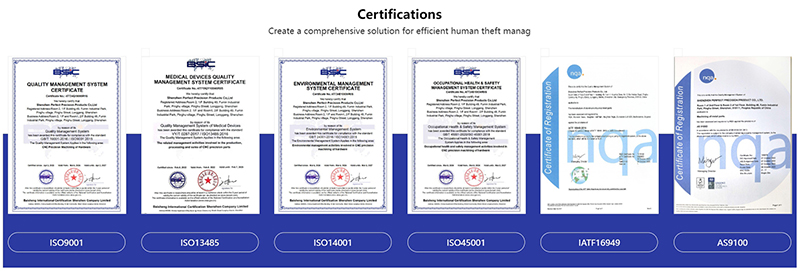
- Quality Assurance: Check for ISO 9001 or AS9100 certifications.
Buyer Tip: Request a sample batch to validate tolerances, finish, and lead times before full-scale production.
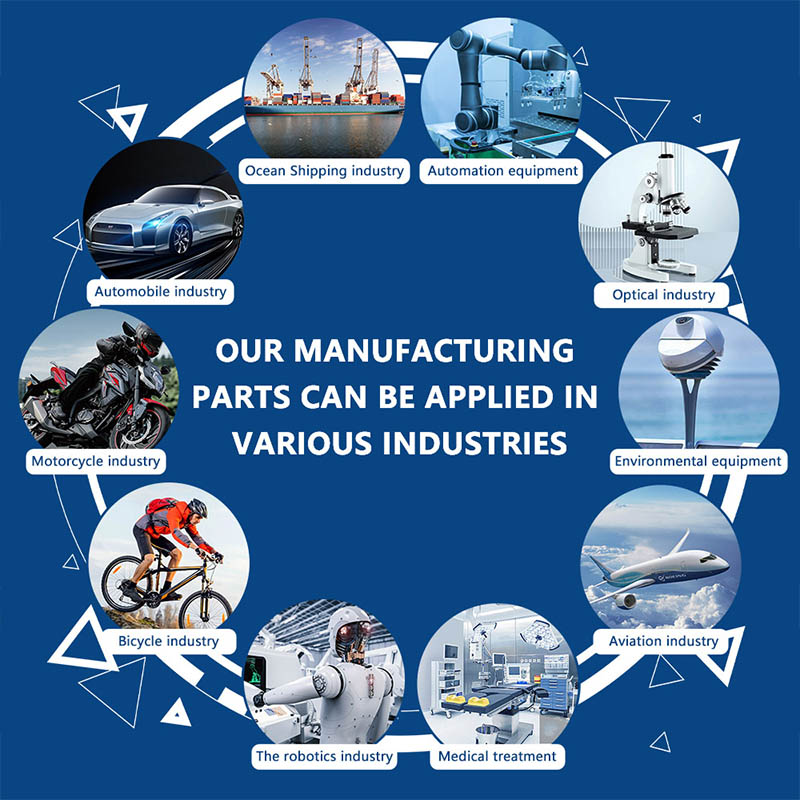
Application

FAQ
Q:What’s your business scope?
A: OEM Service. Our business scope are CNC lathe processed, turning,stamping,etc.
Q.How to contact us ?
A:You can send inquiry of our products,it will be replied within 6 hours;And you can contact dirrectly with us through TM or WhatsApp, Skype as you like.
Q.What information should I give to you for inquiry?
A:If you have drawings or samples,pls feel free to send us,and tell us your special requirements such as material, tolerance, surface treatments and the amount you need,ect .
Q.What about the delivery day?
A: The delivery date is about 10-15 days after receipt of payment.
Q.What about the payment terms?
A: Generally EXW OR FOB Shenzhen 100% T/T in advance,and we can also consult accroding to your requirement.


